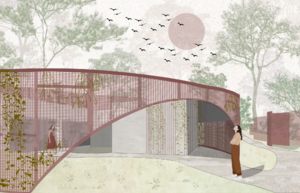
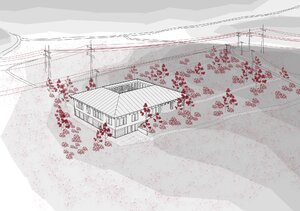
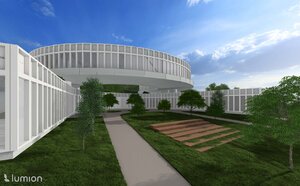
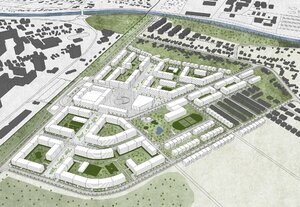
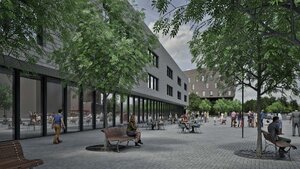
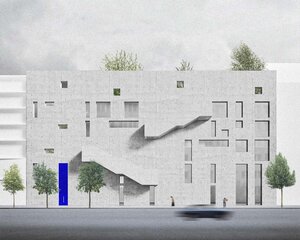
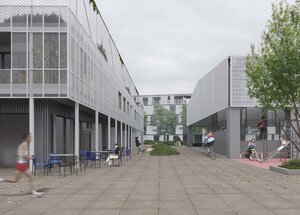
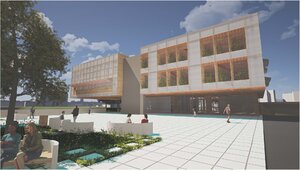
Zimný semester akademického roku 2025/26 vo vertikálnom ateliéri Out of the Box bol postavený na tematickom rámci Pravda v architektúre a Architektúra v post-pravdovej dobe. Ateliér sa zameral na skúmanie architektúry ako nositeľa významu, hodnotového postoja a spoločenskej zodpovednosti v prostredí charakterizovanom informačným pretlakom, relativizáciou pravdy a stratou dôvery v tradičné inštitúcie.
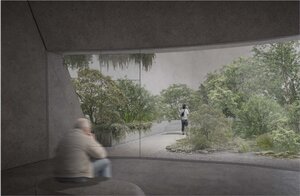
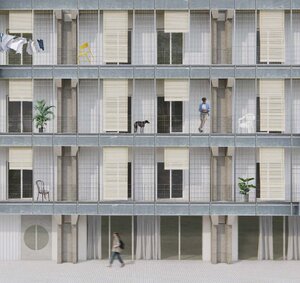
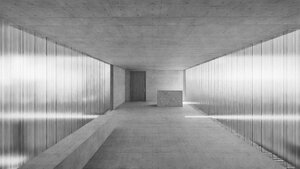
Zadania vytvárali priestor pre kritickú interpretáciu reality aj špekulatívne scenáre budúcnosti. Študentské práce sa venovali témam sociálnej spravodlivosti, dôstojnosti bývania, integrácie a starostlivosti, ale aj otázkam spirituality, ticha, rituálu a vnútorného prežívania. Objavovali sa návrhy inštitúcií budúcnosti, výskumných a technologických centier, komunitných a integračných domov, ako aj architektúra reagujúca na krajinu, produkciu a vzťah človeka k prírode.
Dôležitou súčasťou procesu bola schopnosť formulovať jasný koncept, pomenovať hodnoty, ku ktorým sa návrh hlási, a pretaviť ich do architektonickej formy, priestoru a prevádzky. Architektúra bola chápaná nielen ako funkčný objekt, ale ako nástroj komunikácie, sebareflexie a spoločenskej výpovede.
Výsledné projekty predstavujú široké spektrum prístupov – od racionálnych a analytických riešení až po expresívne, symbolické a naratívne koncepty. Spája ich snaha hľadať pravdivosť architektúry nie v štýle alebo forme, ale v úprimnosti zámeru, čitateľnosti významu a vzťahu k človeku, mestu a krajine.
The winter semester of the academic year 2025/26 in the vertical studio Out of the Box was structured around the thematic framework of Truth in Architecture and Architecture in the Post-Truth Era. The studio explored architecture as a carrier of meaning, values, and social responsibility in an environment shaped by information overload, relativisation of truth, and declining trust in traditional institutions.
The assignments provided space for critical interpretations of reality as well as speculative visions of the future. Student projects addressed themes of social justice, dignity of living, integration and care, alongside questions of spirituality, silence, ritual, and inner experience. The proposals included institutions of the future, research and technological centres, community and integrative housing, as well as architecture responding to landscape, production, and the human relationship to nature.
A key aspect of the design process was the ability to formulate a clear concept, articulate the values behind the proposal, and translate them into architectural form, space, and programme. Architecture was understood not only as a functional object, but as a medium of communication, self-reflection, and societal statement.
The resulting projects represent a wide spectrum of approaches – from rational and analytical solutions to expressive, symbolic, and narrative concepts. What unites them is the search for architectural truth not in style or form, but in the honesty of intent, clarity of meaning, and relationship to people, the city, and the landscape.
Riešené témy v zimnom semestri 2025-26 / Assignment Topics in the Winter Semester 2025–26
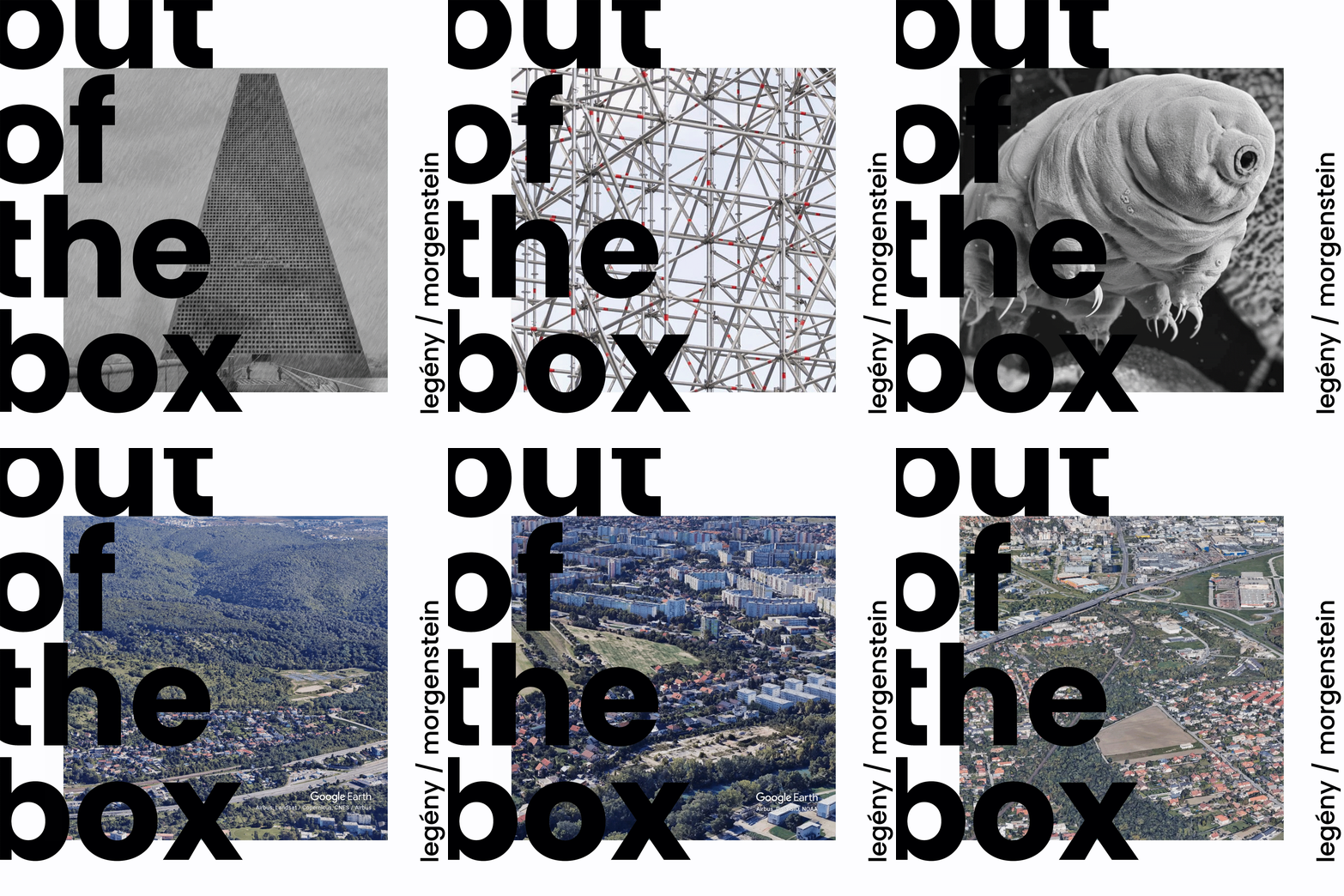
01_Architektúra a pravda (Architektúra pravdy / Pravdivá architektúra)
01_Architecture and Truth (Architecture of Truth / Truthful Architecture)
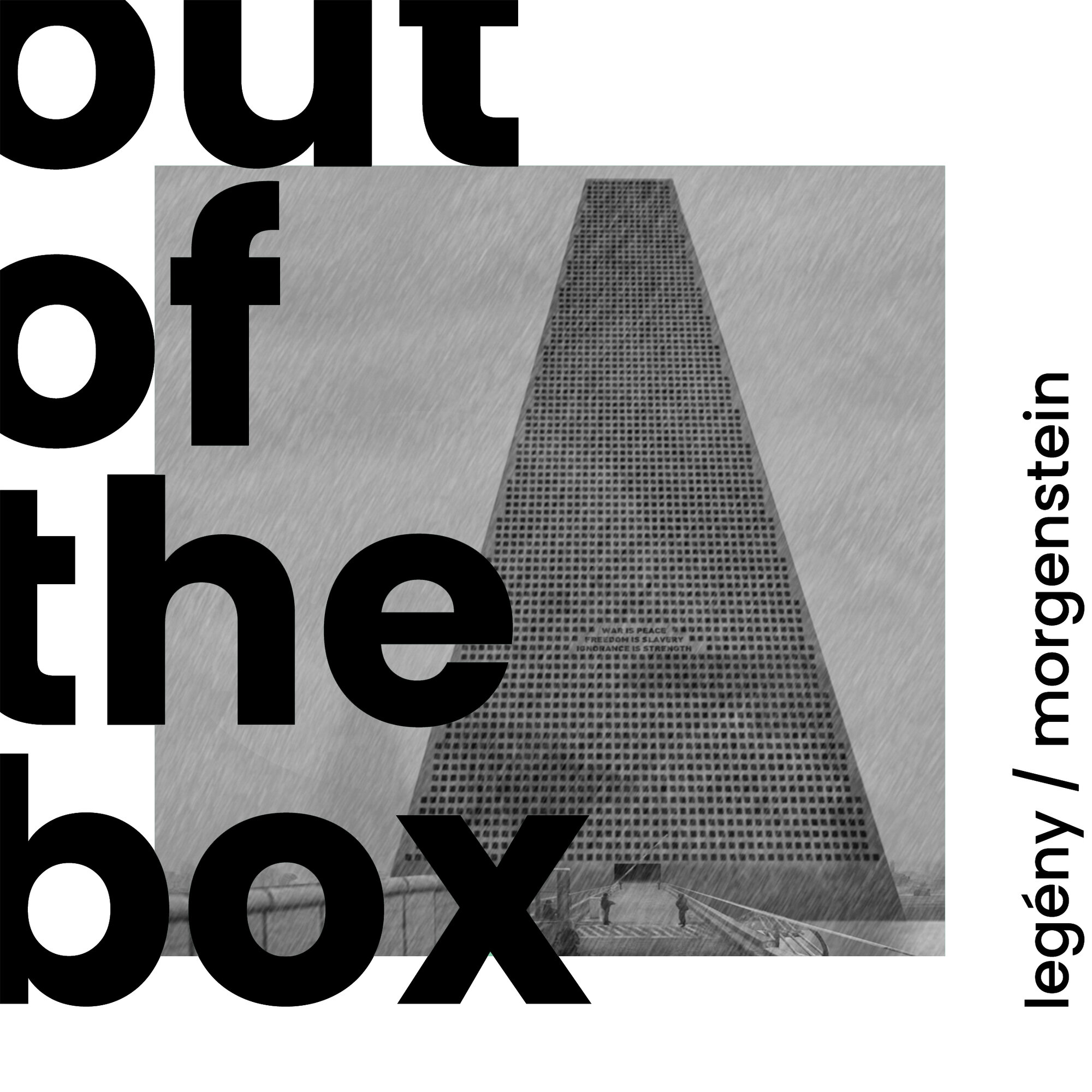
https://waithinktank.com/project-1984
„Nemusíme povedať všetko, čo je pravda, ale to, čo povieme, nech je len pravda.“ Michelangelo Buonarroti (1475–1564)
V dnešnej post-faktuálnej/post-pravdovej dobe sa pravda stáva čoraz vzácnejším artiklom. Úzko prepojená s dobrom a krásou je prirodzene spojená aj s architektúrou, ktorá je neustálym hľadaním rovnováhy medzi formou, funkciou a konštrukciou. Môžeme hovoriť o pravdivom vyjadrení konštrukcie, prípadne o pravdivom výraze stavby vo vzťahu k jej funkcii? Je možné hovoriť o pravdivej architektúre ako takej? Pre mnohých architektov, najmä na začiatku 20. storočia, sa pravda v architektúre stala kľúčovou témou. Otto Wagner považoval snahu o pravdu za hviezdu, ktorá má viesť architekta (orig.: “[…] the striving toward TRUTH must be the guiding star of the architect”). Walter Gropius, predstaviteľ funkcionalizmu, zdôrazňoval, že moderná stavba musí byť pravdivá, logická, priehľadná a nepoškvrnená klamstvom či trivialitou (orig.: “A modern building […] must be TRUE to itself, logically transparent, and virginal of lies or trivialities.”). Úlohou zadania je navrhnúť stavbu, ktorá sa pokúsi tieto myšlienky interpretovať. Návrh by mal byť manifestom osobného postoja autora*ky k otázke: Čo znamená pravda v architektúre súčasnosti?
Téma je vhodná pre študentstvo architektonického zamerania - 4. a 6. ročník
In today's post-factual/post-truth era, truth is becoming an increasingly rare commodity. Closely linked to goodness and beauty, it is naturally also associated with architecture, which is a constant search for balance between form, function, and construction. Can we talk about the truthful expression of construction, or the truthful expression of a building in relation to its function? Is it possible to talk about truthful architecture as such? For many architects, especially at the beginning of the 20th century, truth in architecture became a key theme. Otto Wagner considered the pursuit of truth to be the guiding star of the architect (orig.: “[…] the striving toward TRUTH must be the guiding star of the architect”). Walter Gropius, a representative of functionalism, emphasised that a modern building must be true, logical, transparent, and untainted by lies or trivialities (orig.: “A modern building […] must be TRUE to itself, logically transparent, and virginal of lies or trivialities.”). The task is to design a building that attempts to interpret these ideas. The design should be a manifesto of the author's personal stance on the question: What does truth mean in contemporary architecture?
The topic is suitable for students in the 4th and 6th year of study.
02_Efemérnosť v architektúre
02_Ephemerality in architecture
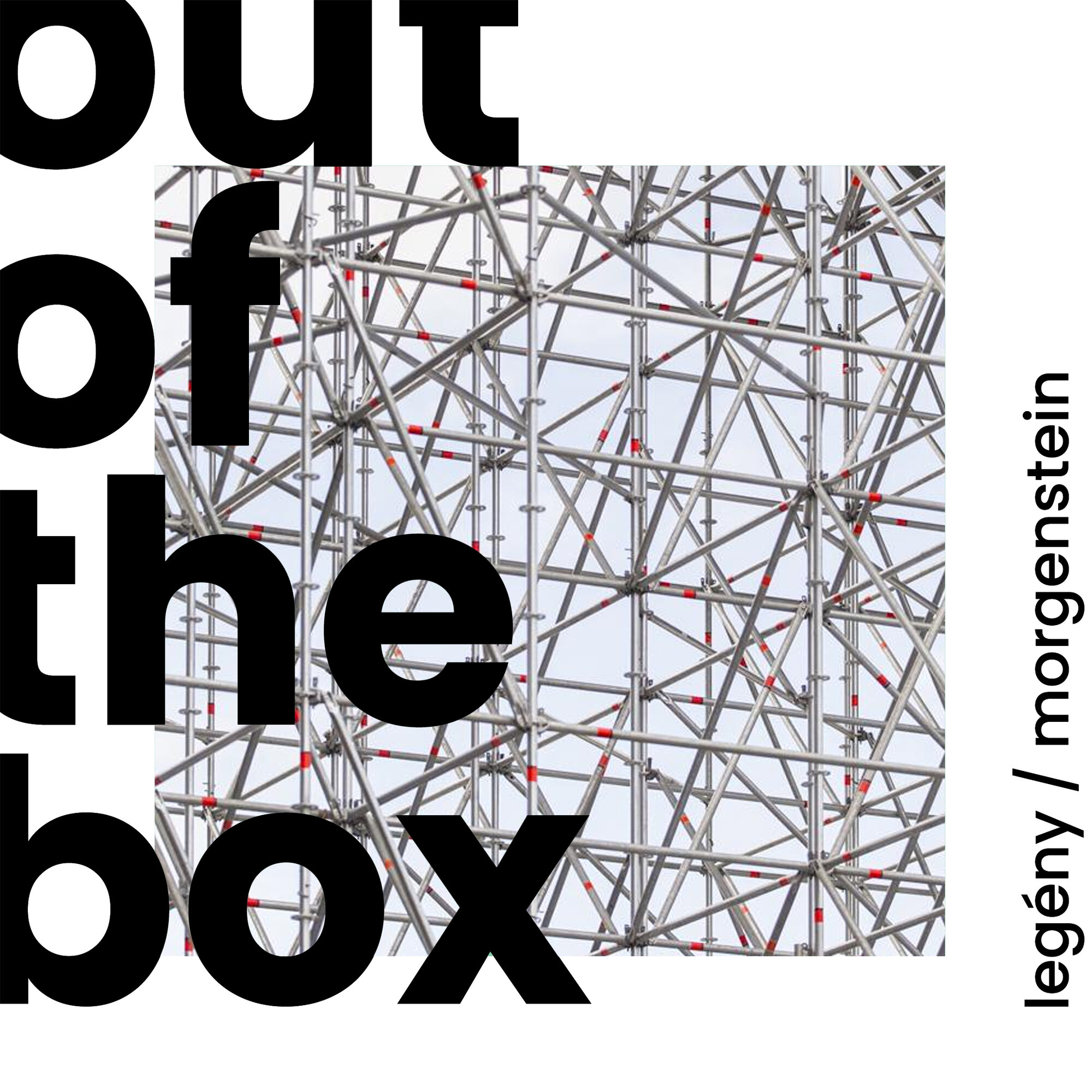
https://divisare.com/projects/317904-mvrdv-ossip-van-duivenbode-laurian-ghinitoiu-the-stairs
Architektúra je často chápaná ako trvalá, pevná a odolná voči času. No môže byť aj pominuteľná, krehká a dočasná – ako stopa, ktorá sa objaví a zmizne. Efemérnosť v architektúre otvára otázku: je hodnota stavby v jej trvaní, alebo v jej schopnosti zanechať zážitok, spomienku, okamih? Navrhni architektonické dielo, ktoré vedome pracuje s dočasnosťou - ktoré sa stratí, rozloží, premení či zmizne – a práve v tejto efemérnosti nájde svoju silu.
Téma je vhodná pre študentstvo architektonického zamerania - 4. a 6. ročník
Architecture is often understood as permanent, solid, and resistant to the passage of time. But it can also be transient, fragile, and temporary—like a trace that appears and disappears. Ephemerality in architecture raises the question: is the value of a building in its permanence, or in its ability to leave behind an experience, a memory, a moment? Design an architectural work that consciously works with temporality – that will be lost, decompose, transform, or disappear – and find its strength precisely in this ephemerality.
The topic is suitable for architecture students in their 4th and 6th years of study.
03_Kde Bratislava končí
03_Where Bratislava Ends
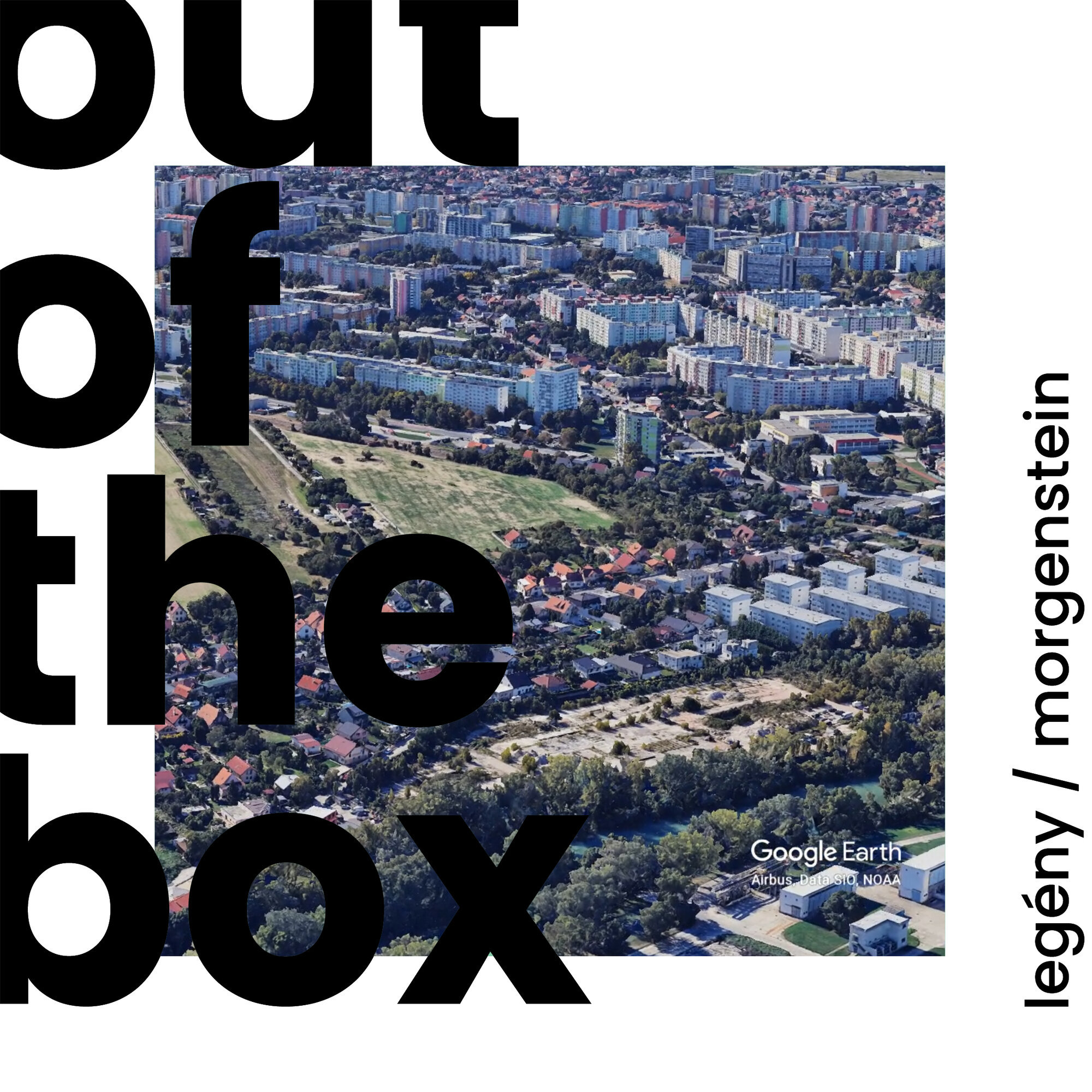
Lokalita na konci Vrakune medzi železničnou zastávkou a čističkou odpadových vôd s prepojením na Malý Dunaj ponúka nielen možnosť uplatnenia princípov regeneratívneho dizajnu (budovy pozitívne vplývajú na prírodu napr. podporou biodiverzity, využívaním dažďovej vody, obnovou ekosystémov), ale tiež priestor, na ktorom sa môžeš kreatívne vysporiadať s problémami ako hluk či zápach, styk novej a pôvodnej zástavby.
Téma je vhodná predovšetkým pre študentstvo 5. ročníka riešiace urbanistický ateliér.
The location at the end of Vrakuna, between the railway station and the wastewater treatment plant connected to the Little Danube, offers not only the opportunity to apply the principles of regenerative design (buildings have a positive impact on nature, e.g., by supporting biodiversity, using rainwater, restoring ecosystems), but also a space where you can creatively deal with problems such as noise or odors, and the contact between new and original buildings.
The topic is particularly suitable for 5th-year students studying urban planning.
04_Je to na Tebe!
04_Up to you!
Zastávame názor, že krása štúdia spočíva aj v tom, že poskytuje priestor pre individuálny rozvoj osobnosti a uspokojuje poznanie jednotlivca v špecifických oblastiach, ktoré ho oslovujú. Ak cítiš výzvu alebo nosíš v hlave nápad, ako prispieť svojou architektonickou tvorbou k lepšiemu životu, priestoru okolo seba, či prostrediu ako celku, naber odvahu a definuj si vlastné zadanie. Alebo príjmi externú výzvu a zapoj sa do akejkoľvek domácej alebo zahraničnej súťaže, ako napr. Inspireli alebo buildner.com a zmeraj si sily so svojimi kolegami. Výber je na Tebe, riešiť to budeme spoločne, radi poradíme a usmerníme. Sme kolektív, kde hranice zmýšľania radi posúvame a tešíme sa z toho. Posuň si s nami limity “Out of the Box”.
Téma je vhodná pre všetkých študentov VA.
We believe that the beauty of study also lies in the fact that it provides space for individual personality development and satisfies the individual's cognition in specific areas that appeal to him/her. If you feel challenged or carry an idea in your mind about how to contribute through your architectural work to a better life, to the space around you, or to the environment as a whole, take courage and define your own assignment. Or take on an external challenge and enter any national or international competition, such as Inspireli or buildner.com, and measure your skills against your peers. The choice is yours, we'll tackle it together, and we'll be happy to advise and guide you. We are a team that likes to push the boundaries of thinking, and we enjoy it. Let's push the boundaries of "Out of the Box" together.
The topic is suitable for all students in the studio.
05_Rázsochy, Rázsochy…
05_Rázsochy, Rázsochy…
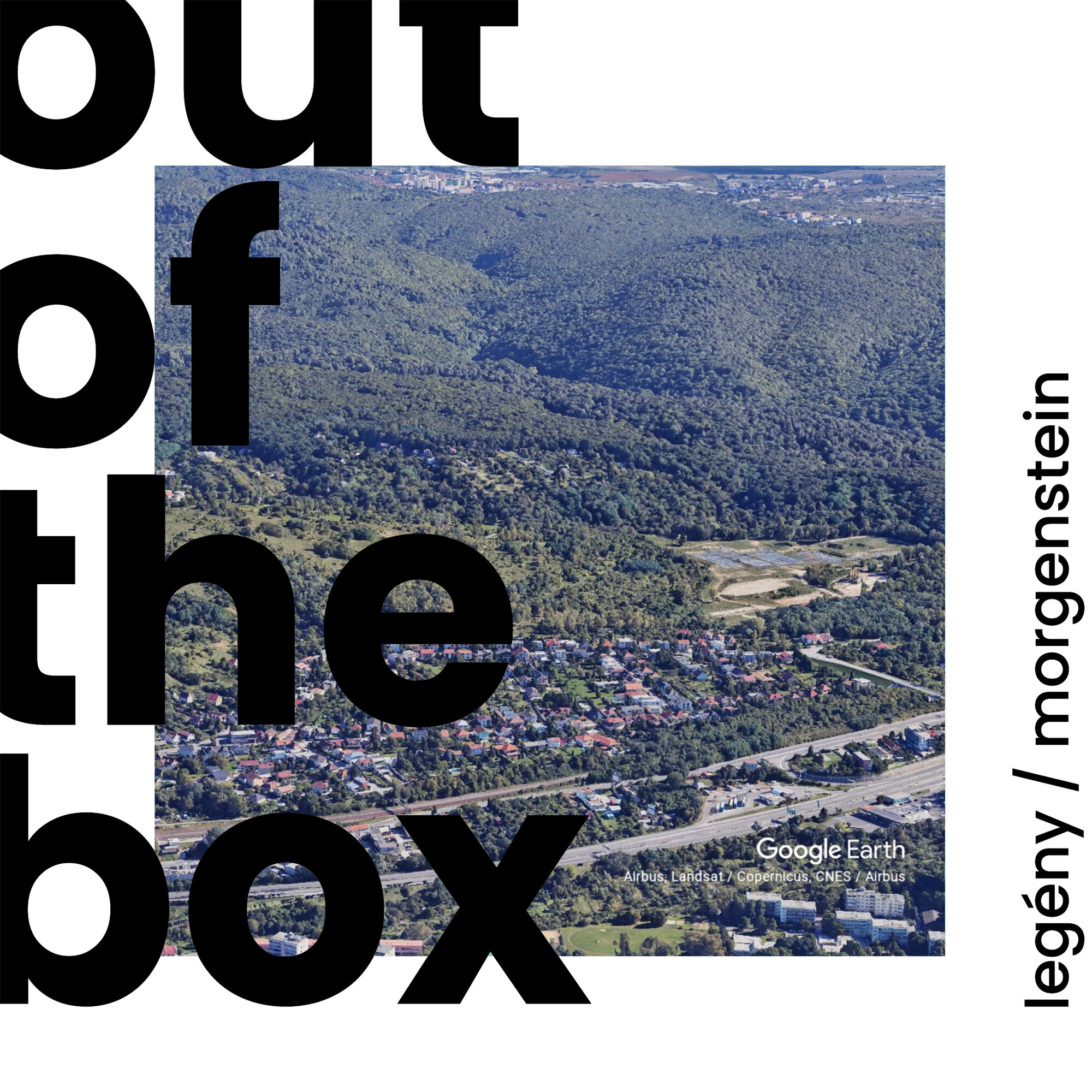
Rázsochy - lokalita známa pre nevydarené plány s výstavbou nemocnice je svojou polohou a charakterom zaujímavým kútom pre rozvoj Bratislavy, cez dostupné a inovatívne modely bývania, plochy pre umiestnenie celomestskej občianskej vybavenosti v segmente AI a pod. Alebo máš iné zaujímavé nápady? Môžeš sa do toho pustiť v mierke urbanistickej alebo architektonickej. Tvoje zadanie tak môže znieť napríklad: AI centrum Rázsochy alebo Energeticky pozitívna mestská štvrť Rázsochy. Alebo sa chceš zamerať na integráciu sociálne vylúčených skupín obyvateľstva? Sme otvorení všetkým zaujímavým nápadom.
Téma je vhodná pre všetkých študentov VA - zadanie je možné riešiť v mierke urbanizmu aj architektúry.
Rázsochy – a location known for its unsuccessful plans to build a terminal hospital – is an interesting area for Bratislava's development due to its location and character. Accessible and innovative housing models, areas for city-wide civic amenities in the AI segment? Or do you have other interesting ideas? You can approach this from an urban planning or architectural perspective. Your assignment could be, for example, the AI Centre Rázsochy or the Energy-Positive Urban District Rázsochy. Or do you want to focus on the integration of socially excluded groups? We are open to all interesting ideas.
The topic is suitable for all VA students – the assignment can be approached from the perspective of both urban planning and architecture.